When the I-5 freeway near Camp Pendleton suddenly closed after a live-fire training accident, drivers across San Diego were stuck in long traffic jams. But while everyone waited, survey teams were already preparing to check the land, slopes, and property lines around the area. It’s a good reminder that the ground beneath us can change fast — and that’s exactly why an alta land title survey matters.
Many property owners think a survey is something you only do once, right before buying land. But when major events happen — like a freeway closure, coastal erosion, or flooding — those property lines can shift. That means your survey might not match reality anymore.
When the Freeway Closes, Surveyors Go to Work
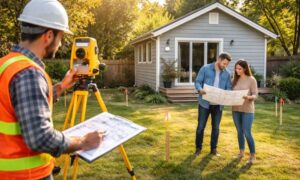
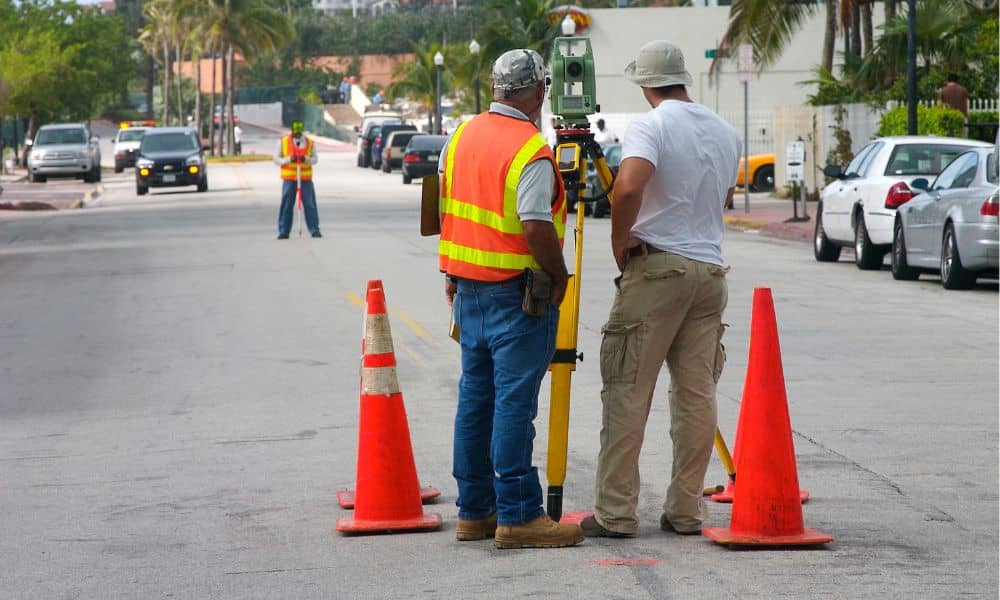
The Camp Pendleton explosion wasn’t just a traffic story. Explosions, ground vibrations, and detour projects can all affect nearby land. After an event like that, surveyors arrive with drones, laser scanners, and GPS tools to check control points — the invisible markers that help define property boundaries.
Why should that concern you? Because many commercial properties and easements depend on those same reference points. If they move or are damaged, your property’s map could change. A new alta land title survey may reveal differences between the old and new ground conditions — and that can affect titles, loans, and construction.
When a Local Event Becomes a Property Issue
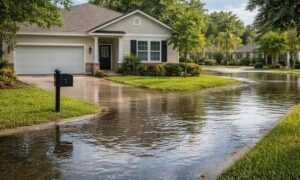
Imagine you’re buying land near the I-5 corridor. Six months ago, it looked perfect. After the freeway closure, new drainage patterns appear, or a slope shifts slightly. Even small changes can alter flood-zone lines or utility easements.
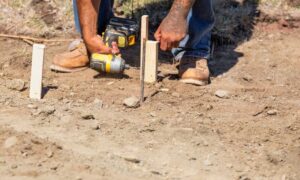
The city’s mapping system might not show those changes yet, but a surveyor’s field data will. That’s how one unexpected event can cause delays or re-checks in real-estate deals. Lenders might now ask for an updated alta survey, or builders may need new staking before construction starts.
What an ALTA Land Title Survey Does After the Ground Moves
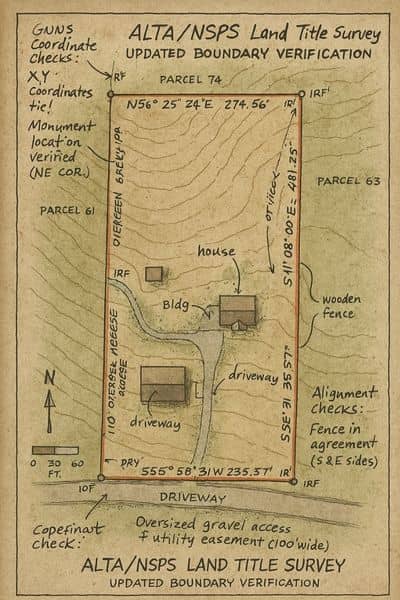
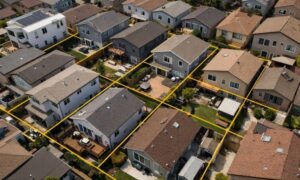
An alta land title survey isn’t just a map — it’s proof that what’s on paper matches what’s on the ground. When the land changes, surveyors must verify that the legal descriptions are still correct.
After big events, surveyors usually:
- Re-check old benchmarks and elevations.
- Compare new field data with city and county records.
- Note new encroachments, slopes, or access changes.
- Update the report so buyers, lenders, and attorneys all use the same information.
Having an updated survey can prevent problems like misplaced fences, wrong drainage routes, or title disputes later on.
Coastal Erosion Adds Another Risk
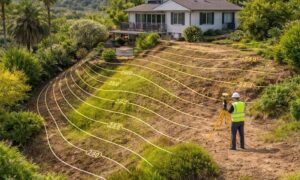
San Diego’s shoreline is always moving. Places like Sunset Cliffs, Del Mar, and Torrey Pines slowly erode every year. The recent freeway closure shows again how connected our coast and infrastructure are. When soil or cliffs shift, the legal edge of a property might shift too.
Even a small change in slope can affect setbacks, utilities, or drainage. That’s why developers along the coast should think of their alta land title survey as something that needs updates — not a one-time project. Having it reviewed after big storms, landslides, or nearby construction helps protect your investment and keeps you in compliance.
Technology Makes Surveys Faster
In the past, surveys took weeks. Today, surveyors use drone LiDAR, aerial mapping, and GPS RTK systems to collect millions of points in just hours. These tools allow quick re-mapping of highways, slopes, and job sites with incredible accuracy.
For you, this means:
- You can confirm land conditions right after an incident.
- You can refresh your alta land title survey without slowing down deals or construction.
If a lender or title company asks for updated proof, you’ll have fresh data ready to go instead of waiting weeks for fieldwork.
Who Should Care Most
Developers – Make sure your construction staking still matches today’s control points after any major event.
Lenders and Title Companies – Updated alta surveys prevent risk if property lines or easements have shifted. It’s better to confirm now than fix costly errors later.
Property Owners – If your land is near the coast or major roads, plan for a new survey every few years or after major site changes. It keeps your records current and protects resale value.
San Diego’s Focus on Resilience
The City of San Diego uses survey data to plan drainage, slope protection, and development zones. After incidents like the I-5 closure, that data becomes even more important. When property owners keep their alta land title surveys up to date, it helps both private and public projects stay aligned. Accurate surveys mean fewer disputes, smoother planning, and safer infrastructure.
A Real Example
After the recent freeway closure, a commercial property near Oceanside needed an updated survey before sale. The new data showed a temporary utility detour that wasn’t yet in county records. If the sale had closed on the old map, that unrecorded easement could have caused major legal issues. Updating the alta land title survey early saved everyone time, money, and stress.
Events like that happen often — from construction to erosion to simple neglect. Having up-to-date land information is the easiest way to stay ahead.
Final Thoughts: Stay Grounded When the Ground Moves
The Camp Pendleton freeway closure reminded San Diego that land can change overnight. When it does, surveyors make sure ownership records keep up. For property owners, developers, and lenders, the alta land title survey is your anchor — keeping your investments and legal boundaries in sync with the real world.
If you’re near the coast or along key corridors, don’t assume your old survey still works. The land moves, rules shift, and maps age. Updating your survey after major events keeps you protected and confident in every deal you make.
Because when the freeway stops, surveyors start — and their work keeps your property secure, no matter how the ground changes.