A perc test is one of the first steps you should take when buying or developing land. Short for percolation test, it measures how quickly soil absorbs water, which is key to knowing if a septic system will work on a property. This test matters everywhere, from rural countryside plots to suburban neighborhoods. In San Diego, where soils can range from sandy coastal plains to dense inland clay, perc tests are especially important because results can shape the future of your project.
What Is a Perc Test?
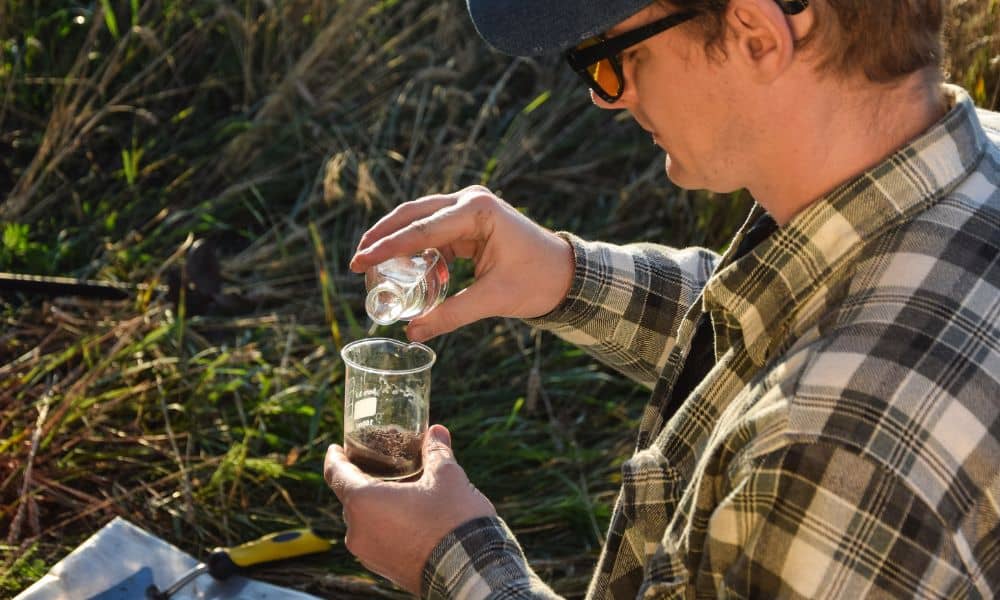
A perc test (percolation test) checks how fast water drains into the ground. A professional digs small test holes, fills them with water, and measures the absorption rate. Local health departments use these results to decide if the property can support a septic system.
In general, any property without access to a city sewer line needs this test. That’s true across the U.S., but in San Diego County, many areas like Ramona, Valley Center, and Jamul rely on septic systems. Without a passing perc test, you may not be able to build, subdivide, or make major improvements.
Why a Perc Test Matters in Land Development
The results of a perc test influence whether land is considered “buildable” and how much it’s worth. A lot that passes can move forward with development. A lot that fails may face restrictions or require expensive alternatives.
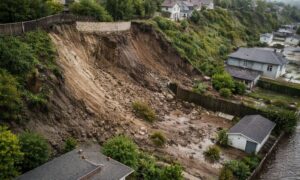
This is true in most places, but in San Diego, the stakes are higher. Development often stretches into hillsides and valleys, where soil and drainage can be unpredictable. A perc test provides peace of mind, helping landowners avoid costly surprises later.
How a Perc Test Is Performed
The process looks similar no matter where you are:
- A licensed surveyor, engineer, or soil specialist digs test holes.
- The holes are soaked with water to mimic natural conditions.
- Additional water is added, and the drainage speed is measured.
- Results are sent to the county or health department for review.
It usually takes just a few hours. Results are often required before construction permits can be approved.
Factors That Affect Perc Test Results
Several factors can affect how soil performs during a perc test:
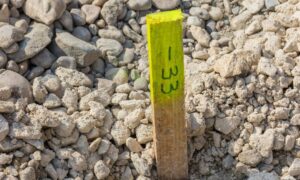
- Soil type – Sandy soil drains quickly and usually passes. Clay or rocky soils drain slowly and often fail.
- Groundwater level – Areas with high groundwater, like coastal regions, can interfere with results.
- Slope – Steeper land can drain unevenly.
- Season – Wet winters or dry summers may change how soil absorbs water.
This explains why two properties right next to each other—even in places like Escondido or Poway—can have very different results.
Costs and Timeline
The cost of a perc test varies depending on property size and the number of holes needed. Most homeowners pay a few hundred dollars, while larger tracts may cost more.
Demand in high-growth areas can affect scheduling. Once underway, the test itself is quick, and results often come back in about a week or two.
What If the Perc Test Fails?
Failing doesn’t mean you can’t build at all, but it does create challenges. Common options include:
- Alternative septic systems – engineered systems designed for tough soils, though more expensive.
- Testing another area – sometimes another part of the lot drains better.
- Soil modification – rare, but possible in limited cases.
This happens in many regions, but San Diego’s hillside and canyon properties run into it often. Some owners invest in advanced systems, while others walk away from the land.
When to Order a Perc Test
The best time to order a perc test is before you buy land or commit to development plans. Doing it early prevents wasted money on designs or permits for land that may not be usable.
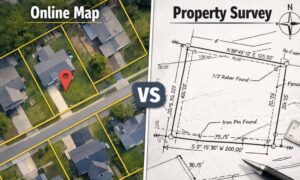
Many property owners pair a perc test with a boundary survey to verify property lines or a topographic survey to map slopes and drainage. Together, these surveys provide a full picture of how the land can be used.
Key Takeaways
A perc test is a small step that makes a big impact. It determines whether a septic system can work, influences land value, and shapes development plans. The test matters everywhere, but in San Diego, with its mix of soil conditions and unique development challenges, it’s especially important.
Anyone buying land should lean on local expertise. Professionals who handle land surveying every day know the county requirements and the soil challenges. Partnering with them can save you from costly mistakes and keep your project on track.
Final Thoughts
Land development comes with big decisions, and a perc test answers one of the biggest: Can this land safely handle wastewater? Whether you’re in the valleys, foothills, or suburbs, this simple test protects your investment and helps your project move forward with confidence. Order it early, and you’ll know exactly what your property can—and can’t—do.