If you are buying land or a home, you may wonder who pays for a land survey during the purchase process. The answer is not always simple. In many cases, the buyer pays for the survey, but there are times when the seller may cover the cost. The answer often depends on the property, the reason for the survey, and what both parties agree to in the contract.
Knowing who pays matters because a survey can protect your investment and help avoid problems after closing.
Who Usually Pays for a Land Survey?
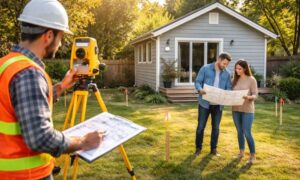
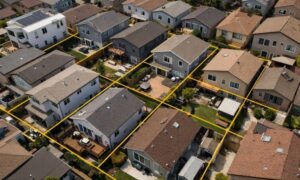
In many real estate deals, the buyer pays for a land survey when they want more information about the property. Buyers often order a survey to confirm property boundaries, check for easements, or make sure structures are in the right location.
Here are common situations:
- Buyer requests a survey for peace of mind.
- Buyer needs a survey for lender requirements.
- Buyer wants to verify lot boundaries.
- Seller orders a survey to fix a known issue.
- Survey cost becomes part of negotiations.
There is no law that says one side must always pay. The purchase agreement usually decides it.
Why Would a Buyer Pay for a Survey?
Buying property is a big investment. A survey gives buyers a better understanding of what they are purchasing.
A survey can reveal:
- Property boundary lines
- Easements
- Encroachments
- Fence location issues
- Driveway overlap problems
- Structures crossing lot lines
Imagine buying a home and later finding out the neighbor’s fence sits several feet inside your property. Fixing that problem after closing can be expensive and stressful.
Many buyers see survey costs as protection against bigger problems in the future.
When Might the Seller Pay?
Sometimes a seller agrees to cover survey costs. This often happens when there is a known issue with the property.
For example, a seller may pay if:
- Property records are unclear
- A title issue exists
- A legal description needs correction
- A boundary dispute already exists
- The survey helps complete the sale
Sellers may also pay during negotiations if they want to keep the transaction moving.
In competitive markets, buyers and sellers often negotiate costs to reach an agreement.
Is a Land Survey Part of Closing Costs?
Sometimes yes, but not always.
Closing costs include many items such as loan fees, title insurance, taxes, and escrow expenses. A land survey can appear as part of the transaction if it is required during the sale process.
Buyers should ask:
- Does my lender require a survey?
- Does the title company request one?
- Is there an older survey available?
- Can survey costs be negotiated?
Getting answers early can prevent surprises before closing day.
Why Surveys Matter
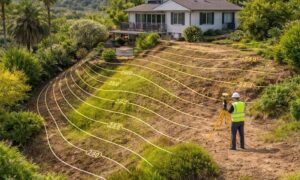
San Diego has many unique property conditions. Some neighborhoods include older subdivisions, hillside lots, coastal homes, and properties with unusual lot shapes.
Local conditions can create challenges such as:
- Steep terrain
- Tight lot spacing
- Easements
- Coastal regulations
- Older property records
Many people look at online parcel maps and think they already know where boundaries sit. That can create problems.
Tools from county records and mapping websites can provide useful information. However, online maps are not legal surveys and should not replace work from a licensed surveyor. Public records from local agencies can help with research, but exact property boundaries require professional field work.
For buyers, this can become very important when properties sit close together or involve improvements near lot lines.
What Should Buyers Check Before Paying?
Before ordering a survey, buyers should gather information first.
Use this checklist:
Check if a recent survey already exists
The seller may already have a usable survey.
Ask your lender
Some lenders request surveys while others do not.
Review title documents
Title paperwork may reveal easements or property concerns.
Understand the survey type
Different surveys serve different purposes.
Examples include:
- Boundary surveys
- Property surveys
- ALTA surveys
- Topographic surveys
Review the purchase contract
Some contracts allow costs to be negotiated.
Doing these steps early can save time and money.
Why Survey Costs Can Be Worth It
Some buyers try to skip surveys to save money. While this may seem like a smart move at first, it can create problems later.
A survey can uncover issues before ownership changes hands. It may reveal missing records, boundary problems, or land use concerns.
Fixing these problems before closing is usually easier than fixing them after becoming the owner.
Think of a survey as insurance for your property decision.