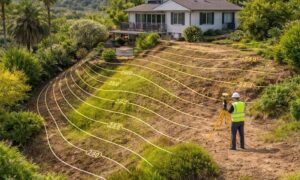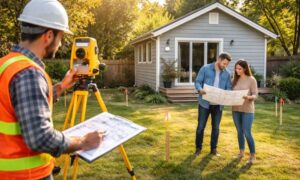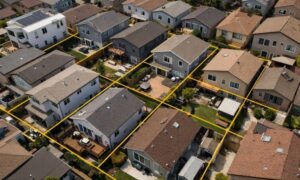
If you follow local news or neighborhood forums in San Diego, you may have noticed a pattern. More stories now involve property lines, permit disputes, and stalled projects. While the details change, the root problem often stays the same. People assumed they knew where their land ended, but the city, a lender, or a planner saw it differently. Because of this shift, boundary line surveys are getting more attention than ever. They no longer come up only after a neighbor argument. Instead, they now sit at the center of development reviews, property sales, and planning decisions across the city.
So why is this happening now? And more importantly, why should property owners care?
Property lines are no longer a private issue
In the past, property boundaries felt personal and quiet. Homeowners relied on fences, driveways, or old landscaping to guess where the line sat. Most of the time, no one questioned those assumptions.
However, San Diego has changed. Development has picked up, space has tightened, and rules have grown stricter. As a result, property lines now affect public decisions. City reviewers check them during permit reviews. Title companies flag them before closings. Even inspectors rely on them when approving work.
Because of this, boundary issues now surface early and often. When that happens, boundary line surveys become the document that brings clarity.
Development pressure is exposing old assumptions
San Diego continues to grow, but it grows inward instead of outward. Homeowners add ADUs. Investors split lots. Builders redevelop older parcels. Each move pushes existing properties to meet modern rules.
At the same time, many neighborhoods still rely on records created decades ago. Those records may not match today’s conditions. Improvements built years back often sit closer to property edges than allowed today.
As a result, small gaps between records and reality now matter. Even a few feet can delay a permit or stop a project. Because of that, boundary questions surface faster and carry more weight than before.
Many disputes start with the city, not a neighbor
This trend surprises many owners. They expect problems only if a neighbor complains. Yet many boundary issues now begin during city review.
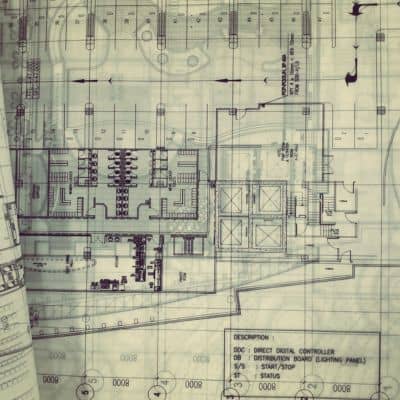
For example, a homeowner submits plans for an addition. During review, the city asks for proof of setbacks. That request forces a closer look at property lines. Suddenly, the project pauses because no one can confirm the boundary.
In these cases, boundary line surveys do not fix a fight. Instead, they answer a question the city must resolve before approval. Without that answer, progress stops.
Old maps, new rules, and modern scrutiny
San Diego includes many older subdivisions. These areas often use plats drawn long before current zoning rules existed. Over time, owners added walls, patios, or garages without detailed verification.
Today, that history creates tension. Records may conflict with visible features. County maps may not align with what sits on the ground. While those gaps once caused little concern, they now trigger red flags.
Because of this, boundary clarity has become part of modern due diligence. It helps align old records with current expectations.
Why this matters even if you are not building
Many people think boundary line surveys matter only for construction. However, that view misses the bigger picture.
If you plan to sell, buyers and lenders want certainty. If you refinance, lenders may request updated documentation. If you buy, you want to know what you truly own before closing.
Even without plans to build, unclear boundaries can limit options later. When questions appear late, they often cost more and cause stress.
Who feels this shift the most in San Diego
Some groups feel this change more than others.
Homeowners adding ADUs often face setback reviews. Investors redeveloping small lots must meet strict zoning rules. Sellers in older neighborhoods must address boundary questions before listing. Buyers of infill properties face lender scrutiny.
In all these cases, boundary line surveys help prevent delays. They give owners facts instead of guesses.
Why surveys now happen earlier than before
Not long ago, owners ordered surveys near the end of a project. Now, many professionals recommend them upfront.
Architects want clear lines before design begins. Attorneys want answers before disputes grow. Title professionals prefer certainty before escrow opens.
Because of this, boundary line surveys have moved forward in the process. They now guide planning instead of reacting to problems.
The cost of waiting keeps rising
San Diego’s land values make small errors expensive. A delayed permit can cost months. A failed closing can lose a buyer. A redesign can drain budgets.
Compared to those risks, surveys offer clarity at the right time. They support smoother approvals and better decisions.
What this trend means for property owners
This shift signals a new reality. San Diego expects accuracy. The city enforces rules more closely. Assumptions no longer pass review.
As development continues, boundary clarity will remain essential. Owners who prepare early avoid surprises. Those who wait may face delays they did not expect.
Final thoughts
Boundary line surveys are not trending because of fear or conflict. They are trending because San Diego has grown more complex. Development pressure, stricter rules, and higher land values have changed how property lines function.
Today, boundaries shape approvals, sales, and planning. They no longer sit in the background.
If you own property, clarity gives you confidence. It helps projects move forward. It protects value. And it keeps decisions grounded in facts.
In a city where every foot matters, knowing where your land begins and ends has never mattered more.